Long before tourists arrived with sunscreen and snorkel masks, the waters surrounding Langkawi's 99 islands were alive with the stories of seafarers, traders, and legendary princes. Understanding how island hopping evolved here transforms a simple boat trip into a journey through centuries of myth, maritime heritage, and natural wonder.
The islands of Langkawi, scattered across the Andaman Sea at the northern tip of the Malacca Strait, have been navigated by humans for thousands of years. Archaeological evidence from the Gua Cerita cave on Tuba Island and ancient middens found across the archipelago suggest that communities fished and traded these waters as far back as 10,000 years ago. The strategic location of Langkawi along one of the world's most critical maritime trade corridors meant that early Malay, Indian, Thai, and Chinese seafarers regularly moved between the islands, using natural channels and sheltered lagoons as waypoints on longer voyages across Southeast Asia.
By the first millennium CE, the archipelago had become woven into the broader tapestry of the Malay world. Local oral traditions and the 15th-century Hikayat Merong Mahawangsa — one of the oldest Malay literary texts — place Langkawi at the center of royal intrigue, shape-shifting eagles, and divine interventions. The name Langkawi itself is believed to derive from the old Malay words 'helang' meaning eagle and 'kawi' meaning strong or reddish-brown stone, a nod to both the island's iconic raptor population and its ancient geological formations that still define island-hopping routes today.
No discussion of Langkawi's island-hopping heritage is complete without Mahsuri, the legendary Malay princess whose story is among the most enduring in Malaysian folklore. According to legend, Mahsuri was unjustly accused of adultery and executed on the main island in the late 18th century, and as she died, white blood — a sign of innocence — flowed from her wounds. Her dying curse condemned Langkawi to seven generations of misfortune. Many historians believe this legend reflects a period of real Siamese-Malay conflict during the 1790s, when Thai forces raided and burned the island's rice stores, leaving it desolate for decades.
The island of Dayang Bunting, one of the most visited stops on any modern island-hopping tour, carries its own profound mythology. Its name translates to 'Island of the Pregnant Maiden,' named after a freshwater lake hidden within the island's limestone interior. Legend holds that a celestial princess drank from the lake after years of childlessness and finally conceived, and that the lake retains fertility-giving properties to this day. This blend of natural beauty and sacred narrative has drawn pilgrims and curious visitors to the lake for centuries, long before organised boat tours existed. The lake, fed by underground springs, sits dramatically inside towering karst cliffs and remains a centrepiece of Langkawi tours.
Pulau Beras Basah, Pulau Singa Besar, and Pulau Rebak each carry their own cultural layers, shaped by fishing communities, colonial-era surveyors, and wartime occupation. During World War II, Japanese forces used several of Langkawi's islands as naval staging points, and remnants of that era occasionally surface in the historical record. The fishing villages that dotted the smaller islands maintained traditions of inter-island travel using simple wooden sampans and hand-hewn plank boats, a practice that directly prefigured the organised island-hopping excursions that would emerge as tourism infrastructure developed from the late 20th century onward.
The transformation of Langkawi from a quiet, largely forgotten fishing archipelago into one of Southeast Asia's premier island-hopping destinations began in earnest in 1987, when Prime Minister Mahathir Mohamad declared the islands a duty-free zone. This single policy decision was a deliberate economic intervention designed to develop Langkawi's tourism potential and give it a competitive edge over neighbouring Thailand's Phuket and Ko Samui. The duty-free status made Langkawi internationally newsworthy overnight, and visitor numbers began climbing rapidly throughout the late 1980s and 1990s as resorts, jetties, and boat operators established themselves across the archipelago.
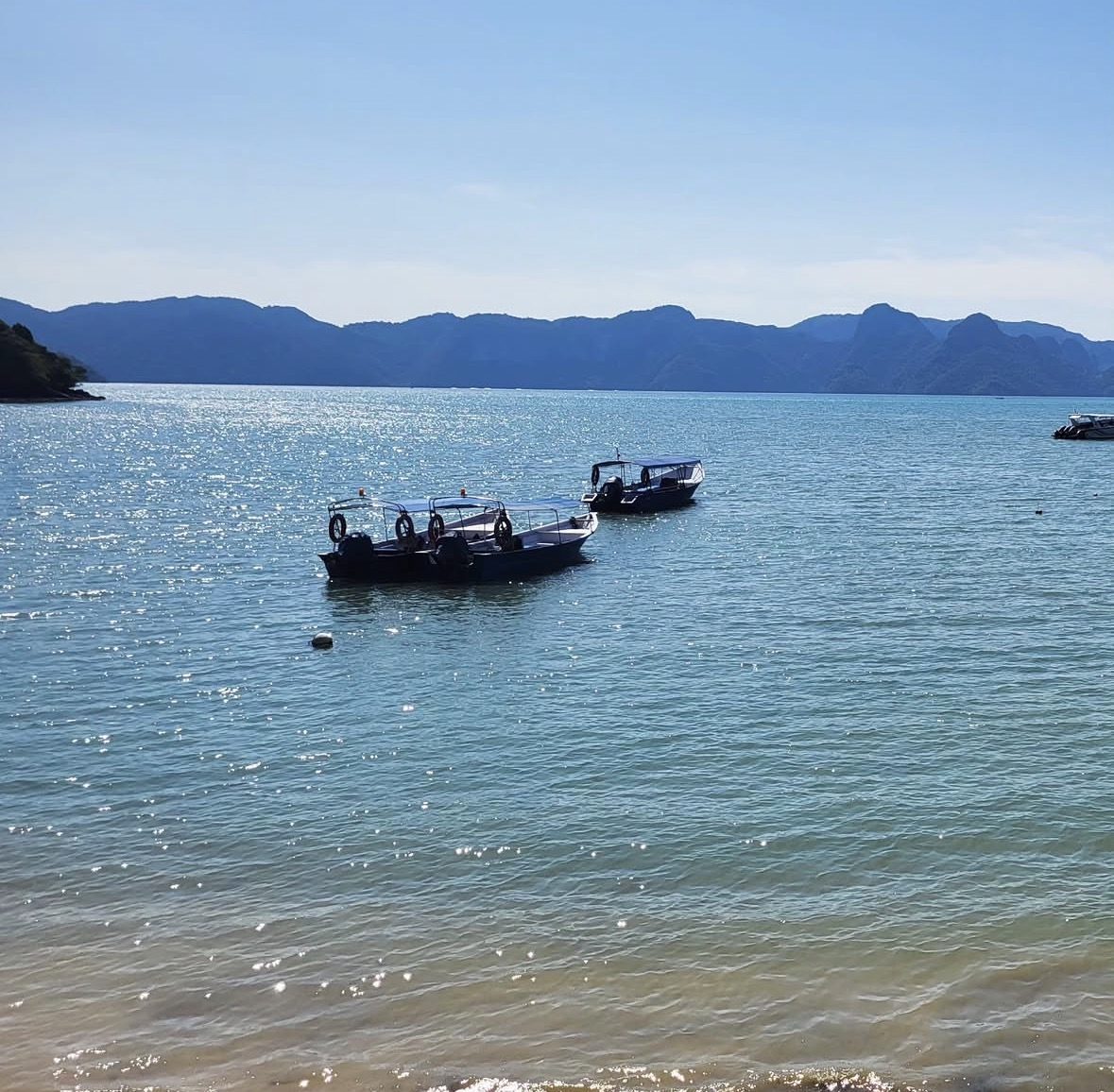
The opening of Langkawi International Airport in 1992, followed by the inaugural Langkawi International Maritime and Aerospace Exhibition (LIMA) in 1991, placed the archipelago on the global map in ways that beach tourism alone could not have achieved. Crucially, investment in jetty infrastructure at Kuah, Pantai Cenang, and Telaga Harbour enabled the formalisation of island-hopping tour routes. What had previously been informal fishing-boat rides between islands became structured half-day and full-day excursions with standardised stops at Pulau Dayang Bunting, Pulau Beras Basah, and eagle-feeding points in the Kilim Karst Geoforest Park. Operators began competing on price, boat quality, and guide knowledge throughout the 1990s.
The defining milestone in Langkawi's modern island-hopping story came in June 2007, when UNESCO officially inscribed the archipelago as a Global Geopark — the first in Southeast Asia. This recognition was awarded on the strength of Langkawi's extraordinary geological diversity, which includes 550-million-year-old Cambrian rock formations, striking limestone karst landscapes, ancient fossilised coral, and mangrove ecosystems of global significance. The UNESCO status reframed island hopping from a leisure activity into a genuinely educational and ecologically meaningful experience, elevating Langkawi's profile among responsible travellers and nature tourism markets worldwide and prompting investment in guided geopark tours by sea.
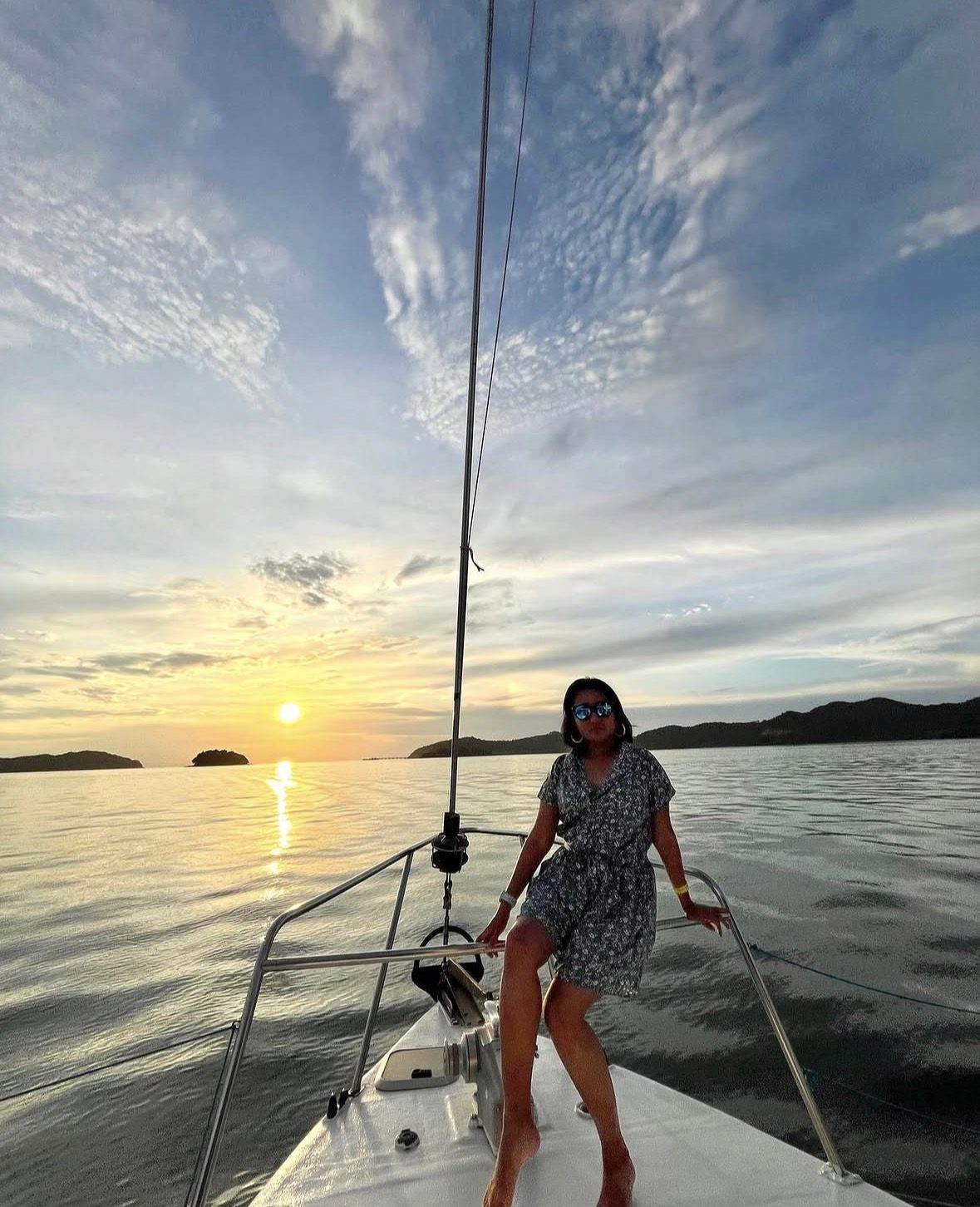
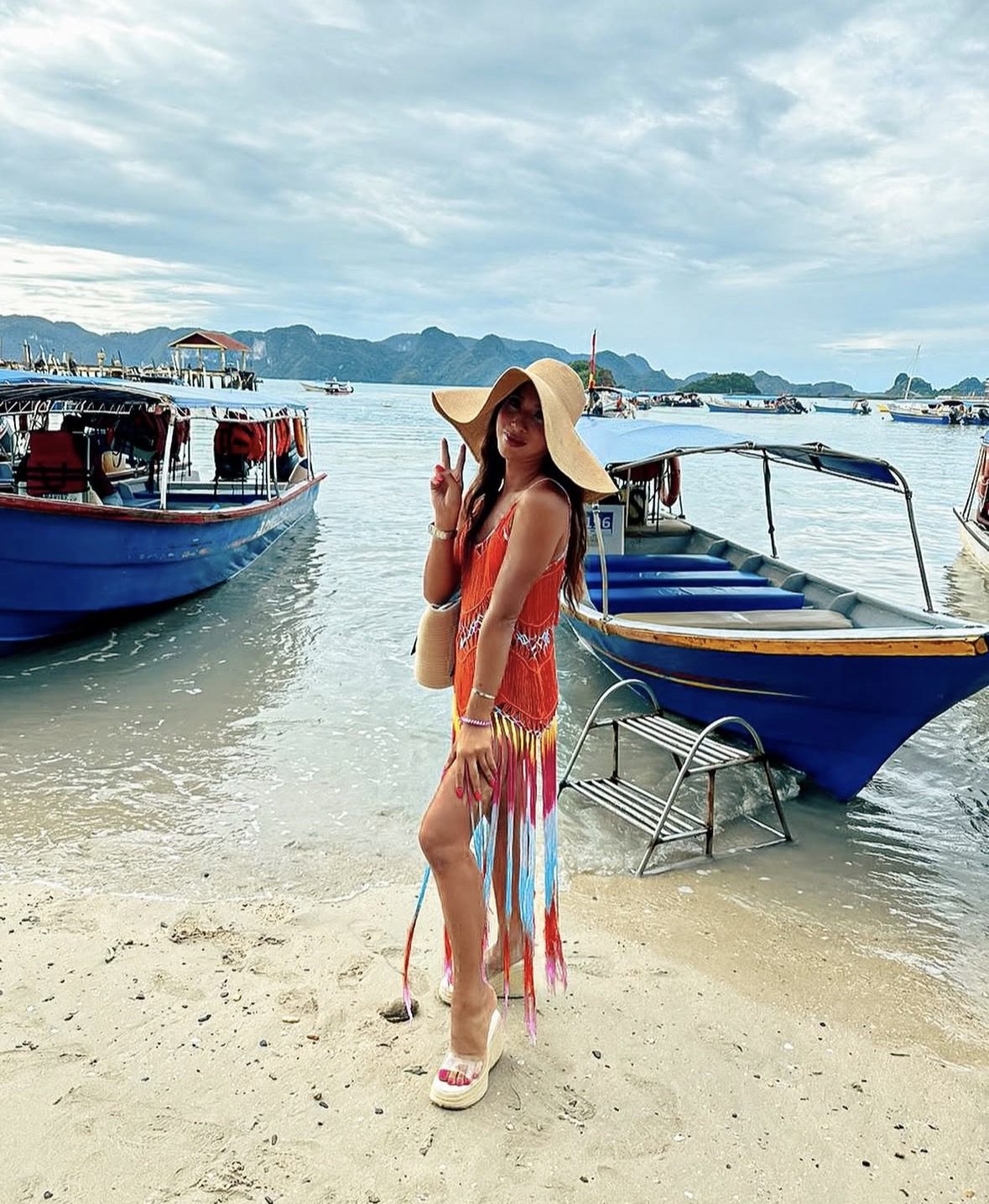
Today, island hopping in Langkawi is one of Malaysia's most iconic tourist experiences, with dozens of licensed operators departing daily from Pantai Cenang, Telaga Harbour, and Kuah Jetty. The classic island-hopping route typically includes Pulau Dayang Bunting and its freshwater lake, a stop at Pulau Beras Basah for swimming and snorkelling, and a dramatic eagle-feeding session in the open channel between islands — where dozens of Brahminy kites and white-bellied sea eagles swoop to collect fish thrown from moving boats. More adventurous itineraries include sunset mangrove kayaking through the Kilim Geoforest, visits to sea caves, and overnight anchoring at uninhabited islands.
What makes Langkawi island hopping truly extraordinary is the rare convergence of ancient geology, living mythology, and exceptional biodiversity compressed into a single half-day on the water. Visitors encounter monitor lizards basking on mangrove roots, dusky leaf monkeys peering from limestone cliffs, and some of the most pristine Andaman Sea water in the region — all within a geopark framework that carries UNESCO's highest endorsement. Whether you are a history enthusiast tracing ancient maritime routes, a wildlife photographer hunting the perfect raptor shot, or simply someone seeking turquoise water and warm sea breezes, Langkawi's island-hopping tradition welcomes you into a story that has been unfolding for half a billion years.
Ready to Experience It Yourself?
Don't just read about the legends, limestone karsts, and soaring eagles — experience them firsthand on a guided island-hopping tour through one of UNESCO's most celebrated geoparks. Our recommended tours depart daily, include expert local guides, and cover all the iconic stops that make Langkawi unforgettable. Secure your spot now and step into a story 550 million years in the making.
Book Your Tour Now